
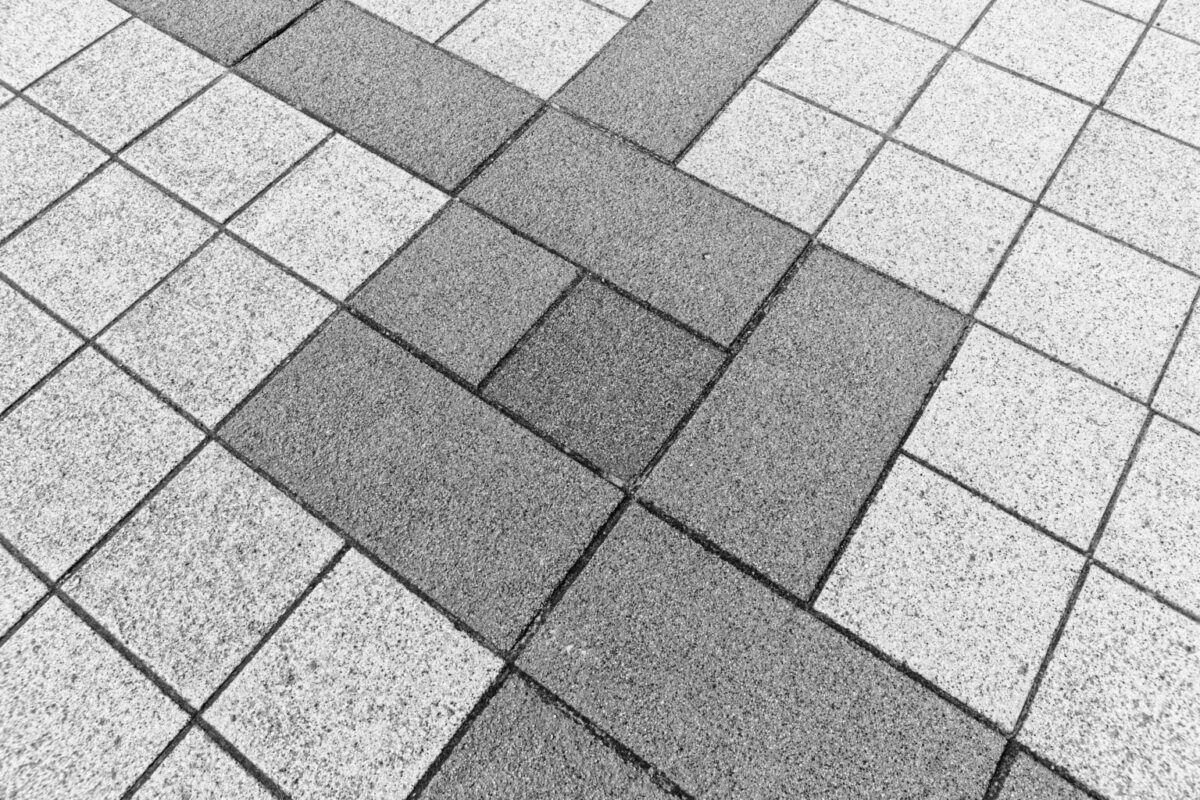
A garden without a proper patio always feels unfinished. You’ve got the lawn sorted, maybe some planting beds, but no real space to actually sit down and use the outdoors. That’s where Block Paved Patios come in. They give you a solid, good-looking surface that turns an empty corner of the garden into somewhere you’ll actually want to spend time, whether that’s a morning coffee spot or a full outdoor dining setup for the summer.
Block paving has been around for decades, but it’s still one of the most popular choices for patios across the UK, and there’s a reason for that. It’s not a trend, it’s just a genuinely practical material that happens to look good too.
Why Block Paving Works Well for Patios
Block paving strikes a balance that a lot of other surfaces struggle with. It looks smart and structured, but it’s also built to handle actual daily life outdoors. Furniture gets dragged across it, kids run around on it, plant pots sit on it for years without moving. A patio needs to cope with all of that without looking tired within a couple of seasons.
Because the blocks are laid individually rather than poured as one solid slab, the surface has a bit of natural flexibility built in. Small amounts of ground movement don’t cause the same cracking you’d see with concrete. That matters more than people realise, especially with the freeze-thaw cycles we get through a typical Manchester or Cheshire winter.
This is also part of why so many homeowners looking into residential landscaping services end up choosing block paving for more than just driveways. It works just as well for seating areas, pathways connecting different parts of the garden, or a dedicated spot for a barbecue and outdoor furniture. One material, several uses, and it all ties together visually.
If you’re planning an entertaining space, block paving gives you a stable, level surface that doesn’t shift under table legs or get slippery when it rains, which is more than can be said for gravel or loose stone options.
Design Options for a Block Paved Patio
This is probably where block paving pulls ahead of most other surfaces. The range of colours, shapes and laying patterns available means two block paved patios rarely look identical, even when they’re built from similar materials.
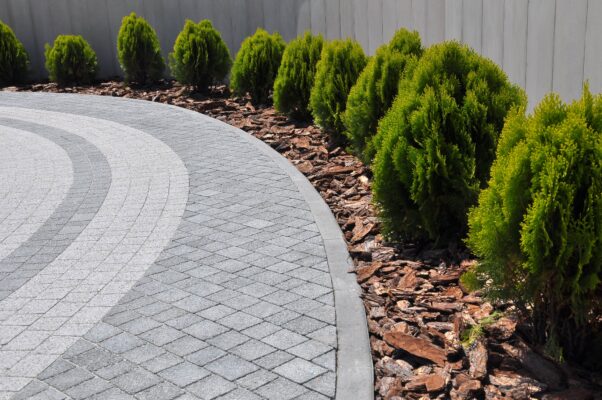
You can go for classic herringbone patterns if you want something that feels traditional and interlocks tightly for extra strength. Stack bond patterns give a cleaner, more contemporary look with straight lines running in one direction. Basketweave works well if you want a slightly softer, more relaxed feel.
Colour-wise, you’re not stuck with grey. Buff, charcoal, silver-grey, red and multi-tonal mixes are all common, and a lot of homeowners now mix two shades together to create a border effect or highlight a specific area, like framing a seating zone within a larger patio.
A good patio design doesn’t exist in isolation either. It should pick up on details already present in the property, brickwork colour, window frames, existing fencing. Get that right and the patio looks like it was always meant to be there rather than added on as an afterthought.
How Block Paving Handles Everyday Outdoor Use
A patio gets more abuse than people expect. Chairs scraping across the surface, hot barbecues sitting directly on it, wet leaves left to sit through autumn, the odd spilled drink or dropped plate. Whatever surface you choose needs to shrug most of that off.
Block paving does this well because the individual units distribute weight and pressure across the whole area rather than concentrating stress in one spot. If a single block does get damaged, and it happens rarely, it can be lifted and replaced without touching the rest of the patio. Try doing that with a poured concrete slab or large format porcelain tiles without it looking patched.
That said, durability really comes down to installation more than the blocks themselves. A patio laid on a shallow, poorly compacted base will move and settle unevenly no matter how good the paving units are. This is one area where cutting corners during installation shows up a year or two later, not immediately, which is exactly why it catches people out.
Proper edge restraints, a compacted sub-base, and correctly graded jointing sand all play a part in how the patio performs over the following ten or fifteen years. Skimp on any of these and you’ll be dealing with weeds pushing through joints, blocks rocking underfoot, or puddling after rain.
Getting this stage right from the start with proper Block Paving Installation is really the difference between a patio that still looks sharp a decade later and one that needs constant patching up.
Planning the Right Patio for Your Garden
Before any paving goes down, it’s worth actually thinking through how the space will be used. A patio built for a couple of chairs and a small table is a very different job to one designed for a full outdoor dining set and a fire pit.
Garden size obviously plays a part, but so does access. Can materials and equipment reach the area without going through the house? Is there a side gate wide enough for machinery? These sound like small details until they add cost or delay to a project because nobody checked beforehand.
Drainage is another one that gets overlooked far too often. Patios need a slight fall, usually away from the house, so rainwater has somewhere to go instead of pooling on the surface or running back towards the property. Get the levels wrong and you’ll notice it the first heavy downpour after installation.
Ground conditions matter just as much. Clay soil behaves very differently to sandy or loamy soil when it comes to drainage and stability, and that affects how deep the sub-base needs to be. Skipping a proper site assessment before installation is one of the more common reasons patios fail early, and it’s completely avoidable with the right preparation upfront.
Block Paved Patios vs Other Patio Surfaces
Concrete slabs are cheaper upfront but limited in design. You’re mostly choosing between a handful of sizes and a couple of colours, and once it’s down, it’s down. Cracks are also harder to fix invisibly since you’re dealing with large, solid pieces rather than individual units.
Natural stone, like sandstone or limestone, looks fantastic and has a premium feel, but it comes with a higher price tag and generally needs more maintenance to stop it staining or growing algae, particularly in shaded, damp corners of a garden.
Porcelain paving has become popular recently for its low maintenance and modern look, but it can be slippery when wet if the wrong finish is chosen, and repairs, if ever needed, tend to be noticeable since matching tiles years later isn’t always possible.
Block paving sits in a comfortable middle ground. It’s more affordable than natural stone, offers far more design flexibility than concrete, and if something does need repairing, replacement blocks blend in without much trouble. For most residential gardens, that combination of cost, looks and practicality is hard to beat.
Choosing Professional Patio Installation
The materials matter, but installation is really where a patio succeeds or falls apart, sometimes literally. Groundwork needs to be excavated to the right depth, compacted properly in layers, and given adequate falls for drainage before a single block goes down.
Accurate placement matters too, keeping joints consistent, cutting edge pieces cleanly around borders or features, and making sure the whole surface stays level as it progresses. Rushed work tends to show up as uneven lines or blocks that don’t sit flush, which is obvious the moment you look at the patio from a doorway or upstairs window.
Finishing touches, like jointing compound and edge restraints, are what lock everything together and stop the paving shifting over time. It’s easy to underestimate how much these small final steps affect the long-term performance of the whole patio.
Working with experienced Professional Patio Installers takes the guesswork out of all of this. It means the groundwork is done properly the first time, the design actually suits your garden and property style, and you’re not left dealing with problems a year down the line that could have been avoided with correct preparation.
If you’re thinking about a new patio, or replacing an old one that’s seen better days, it’s worth getting a proper site survey done before deciding on materials or layout. Flaherty Drives Ltd covers patio and hard landscaping projects across Greater Manchester and Cheshire, and you can contact us to arrange a free quote and talk through what would actually work best for your garden.
