
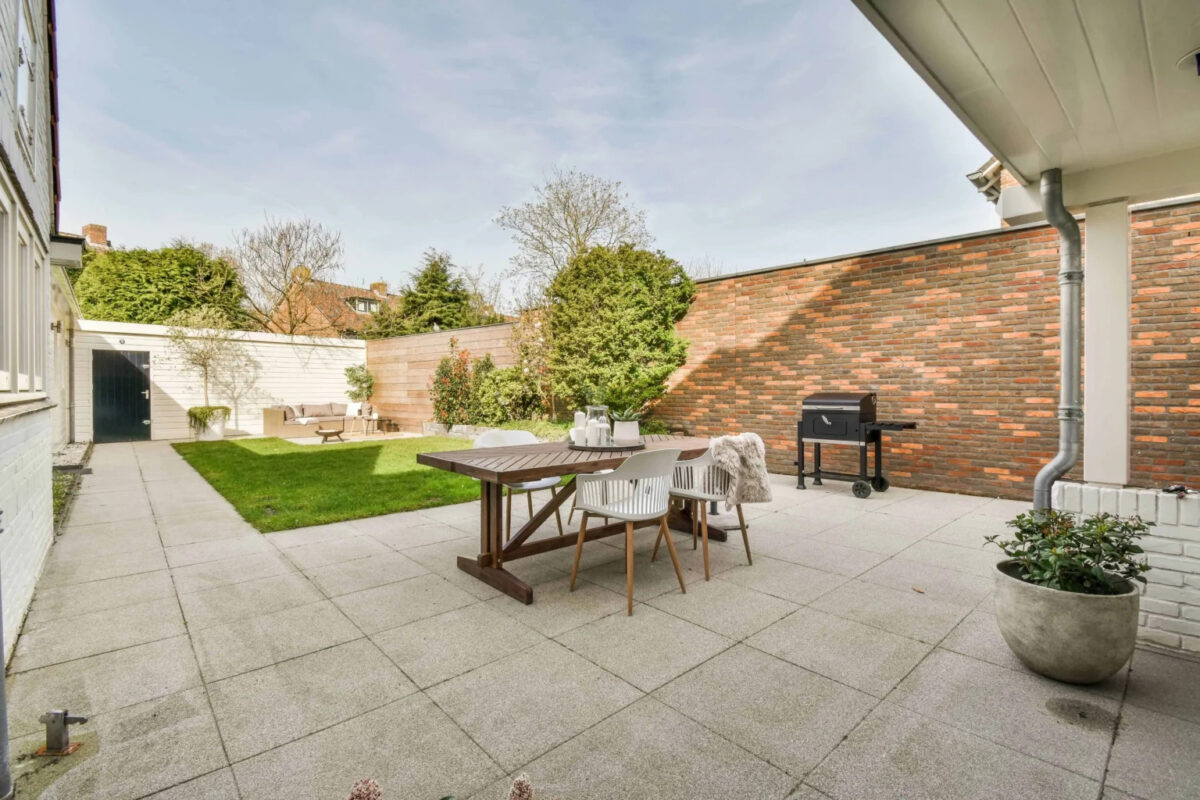
Most gardens have that one awkward patch, too small for a lawn, too bare to look finished, not quite sure what it’s meant to be used for. A well planned patio solves that problem more effectively than almost any other garden upgrade. Good Patio Installation Services don’t just add paving, they give that space a purpose, whether that’s somewhere to eat dinner outside or just a spot to sit with a coffee away from the kitchen.
The tricky part is that a patio looks simple from the outside, a flat surface with some paving on top, but there’s actually a fair bit going on underneath that determines whether it lasts fifteen years or starts falling apart after three.
What Professional Patio Installation Involves
A patio build has a few distinct stages, and skipping or rushing any of them tends to show up later, usually at the worst possible time, like after a heavy winter.
It starts with a site assessment. This means looking at ground conditions, checking for drainage issues, working out access for materials and equipment, and figuring out where the patio needs to sit in relation to the house and garden. Some gardens slope more than people realise, and that changes how the whole job is approached.
Next comes excavation and preparation. The area gets dug out to the correct depth, and a sub-base is laid and compacted in layers. This stage matters more than most homeowners expect, since a shallow or poorly compacted base is one of the most common reasons patios shift or sink unevenly over time.
Then the actual paving goes down, block by block or slab by slab depending on the material, with attention paid to falls for drainage and consistent joint lines. The same groundwork principles apply whether you’re planning a patio or looking into New Driveway Construction, since both rely on a solid base to perform properly.
Finishing work, jointing, edge restraints, and a final clean, ties everything together. It’s easy to underestimate how much difference these last details make to how sharp the finished patio actually looks.
Planning a Patio Around Your Lifestyle
A patio for quiet mornings with a cup of tea is a different job to one built for hosting barbecues every weekend in summer. Thinking about how you’ll actually use the space before any digging starts saves a lot of regret later.
If entertaining is the priority, you’ll want enough room for a dining table, chairs, and probably some space to move around them without everyone bumping elbows. That usually means a bigger footprint than people initially plan for on paper.
For a smaller, more relaxed seating area, positioning matters more than size. Somewhere that catches afternoon sun, or that’s tucked away from the house for a bit of privacy, often gets used far more than a larger patio stuck in an awkward, overlooked corner.
Shape plays a part too. Square and rectangular patios are the easiest to design around and furnish, but curved edges can soften a garden and blend more naturally into existing borders or lawn areas. There’s no universally right answer here, it depends entirely on how the space fits with the rest of the garden.
Choosing the Right Patio Style and Materials
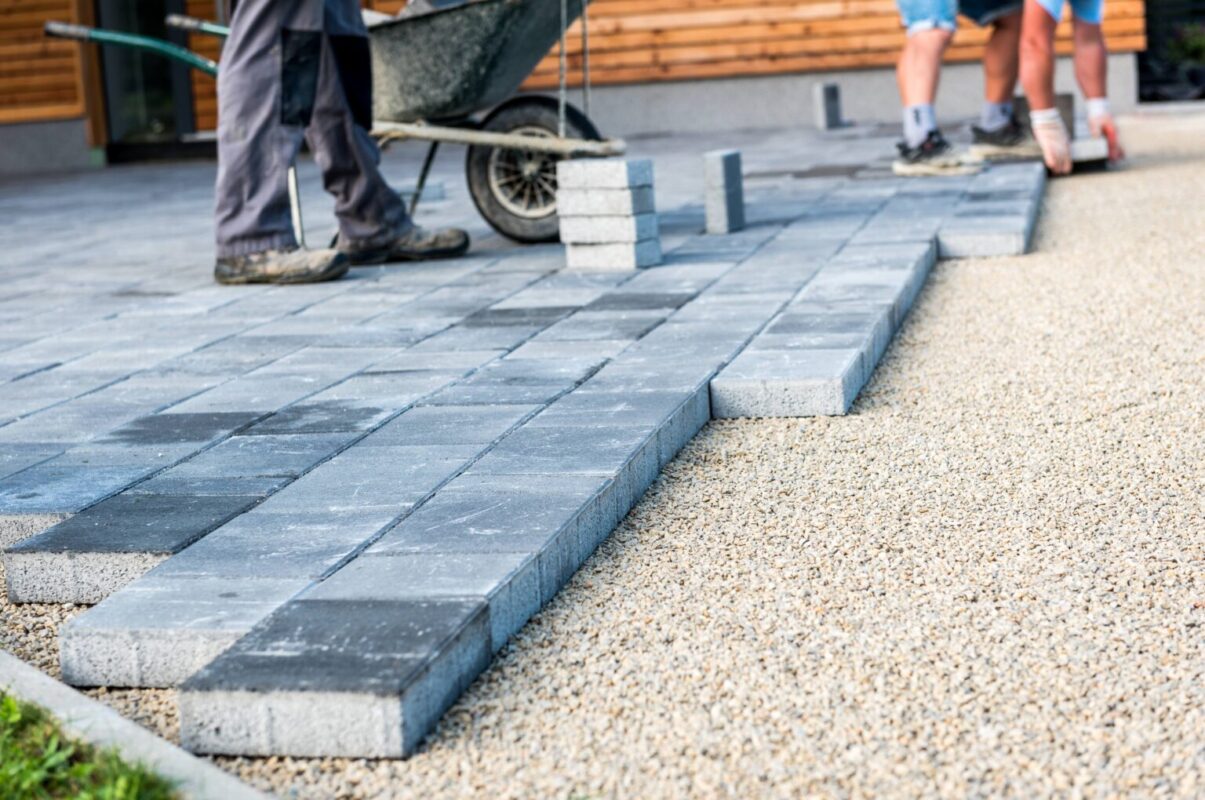
This is where personal taste and practicality need to meet somewhere in the middle. A material might look fantastic in photos but turn out to be a nightmare to keep clean, or it might be durable but a bit flat looking for a property with more character.
Appearance obviously matters, but so does how a material copes with rain, frost, and general wear over the years. Some natural stone options need regular sealing to stop staining, while others can get slippery in wet weather if the finish isn’t right.
Block paving tends to come up a lot in these conversations, and for good reason. It works across a wide range of garden styles, from traditional to contemporary, and there’s enough choice in colour and pattern that it rarely feels like a compromise. If part of the project also touches on Garden Patio Installation alongside a driveway or pathway, block paving also makes it easier to keep a consistent look running through the whole property rather than mixing several unrelated materials.
Maintenance is worth asking about honestly rather than assuming. Some surfaces need very little upkeep beyond an occasional sweep, others need more regular attention to stay looking good, and it’s better to know that before installation than to discover it a year in.
Ground Preparation and Drainage Matter
This is the part of the job nobody sees once it’s finished, and it’s also the part that decides whether the patio actually lasts. A patio sitting on poorly prepared ground will move, sink in places, or develop puddles no matter how good the surface material is.
The sub-base needs to be compacted properly, in layers, to create a stable foundation. Clay-heavy soil behaves very differently to sandy soil here, and the depth and type of sub-base often needs adjusting depending on what’s underneath the garden in the first place.
Drainage falls are just as important. Patios need a slight slope, usually directing water away from the house rather than towards it. Get this wrong and you’ll notice fairly quickly, usually the first time it rains heavily after installation, with water pooling in spots it shouldn’t.
Skipping proper groundwork to save time or cost almost always costs more later, either through repairs or a full relay. It’s one area where doing it right the first time is genuinely cheaper in the long run.
Patio Installation for Different Types of Properties
Residential patios and commercial outdoor spaces don’t really follow the same rules, even though the basic principles of good groundwork stay the same.
For a home garden, the focus is usually on how the family will use the space day to day, whether that’s outdoor dining, a play area, or simply somewhere pleasant to sit. Layout tends to be more flexible since there’s usually just one household’s preferences to work around.
Commercial spaces, like restaurant patios, office courtyards, or communal areas for apartment blocks, need to account for higher footfall, accessibility requirements, and sometimes stricter durability standards since the surface gets used far more heavily and by far more people.
Garden layout and how the property will actually be used should shape decisions on size, material, and even where the patio sits in relation to entrances and pathways. A patio positioned awkwardly, even a well built one, ends up underused if it doesn’t fit naturally into how people move around the property. The same logic applies to complementary features like Artificial Lawn Contractors work, where positioning relative to the patio affects how cohesive the whole garden feels once everything is finished.
Finding Patio Installers in Greater Manchester and Cheshire
Choosing who actually builds the patio matters just as much as the design decisions that come before it. A good design poorly installed still ends up as a disappointing patio.
Workmanship is the first thing to look into. Ask about previous projects, check for examples of finished work, and don’t be shy about asking how groundwork and drainage are handled, since that’s usually where corners get cut if a company is trying to save time.
Materials should be discussed openly too. A reliable installer will explain why they’re recommending a particular type of block or stone for your specific garden rather than just offering one standard option regardless of the site conditions.
A proper site survey before any quote is given is a good sign. It shows the company is actually assessing your garden rather than pricing blind, which tends to lead to fewer surprises once work starts.
Clear, itemised quotations also matter. Vague pricing or verbal-only estimates make it harder to compare companies fairly and can lead to unexpected costs partway through the job.
Flaherty Drives Ltd works on patio and hard landscaping projects across Greater Manchester and Cheshire, handling everything from initial site assessment through to final finishing. If you’re planning a new patio or want to talk through options for your garden, you can connect with us for a free quote and a straightforward chat about what would actually suit your property.
