
A driveway takes more daily use than almost any other part of a property, yet it’s often the last thing homeowners think about until it starts cracking or pooling water after rain. Getting New Driveway Construction right from the start saves years of frustration, and it also happens to be one of the few home improvements that genuinely adds to how a property looks from the street.
The problem is that a driveway looks like a fairly simple job on paper, clear the old surface, put down a new one, done. In reality there’s quite a lot that goes into making sure it actually holds up, especially with the weight and daily traffic a driveway deals with that a patio never has to.
What to Consider Before Building a New Driveway
Before anything gets dug up, it helps to think through how the space is actually going to be used. A driveway for one small car is a very different project to one that needs to fit two vehicles side by side, or allow room for a caravan or trailer.
Access matters just as much as size. Can vehicles get in and out comfortably without awkward turns, and is there enough width to open car doors without scraping a wall or fence? These things sound obvious until a driveway is finished and someone realises they can’t actually park the way they’d planned.
Existing ground conditions play a bigger role than most people expect. Clay soil, for instance, holds water differently to sandy or well draining ground, and that affects how the sub-base needs to be built up underneath. Similarly, if the same project includes garden work like Patio Installation Services, it’s worth having both areas assessed together, since drainage from one space can easily affect the other if they’re not planned with each other in mind.
Property layout also shapes what’s realistic. A driveway that looks great in isolation but blocks a side gate or restricts access to a bin store ends up being a daily annoyance rather than an improvement.
Choosing a Driveway Surface
This is where personal taste meets practicality, and it’s worth taking time over rather than picking whatever looks best in a single photo online.
Block paving comes up constantly in these conversations, and for good reason. It’s decorative without being high maintenance, and because it’s laid in individual units rather than one solid slab, it copes better with ground movement and is far easier to repair if a section ever gets damaged or stained.
Tarmac is cheaper and quick to install, but the design options are limited, and it can soften slightly in very hot weather, which occasionally shows in tyre marks near where a car sits regularly.
Resin bound surfaces look smooth and modern, and drain well, but they generally cost more and can be trickier to repair invisibly if damage does occur.
Gravel is the cheapest option upfront, but it shifts over time, needs topping up, and isn’t always practical if pushchairs, wheelchairs, or bikes are regularly going in and out.
Weighing these up against how the driveway will actually be used, rather than just how it looks in isolation, usually points fairly clearly toward the right choice.
The Main Stages of Driveway Construction
A driveway build follows a fairly consistent sequence, and rushing any stage tends to cause problems that only show up months later.
It starts with site preparation, clearing the existing surface and assessing what’s underneath. Old driveways sometimes hide surprises, tree roots, old drainage pipes, or inconsistent ground levels that need addressing before work continues.
Excavation comes next, removing enough material to allow for a proper sub-base depth. This depth isn’t arbitrary, it depends on ground conditions and the weight the driveway needs to support, since a car and driveway see far more load than a garden path ever will.
Groundwork follows, with the sub-base laid and compacted in layers. This stage is where long-term stability is decided. A shallow or poorly compacted base is one of the most common reasons driveways sink, crack, or develop uneven patches within a few years.
Surface installation comes after that, whether it’s block paving, tarmac, or another material, laid with attention to falls for drainage and consistent lines. Reliable Driveway Installation Services will treat this stage with the same care as the groundwork underneath it, since a rushed surface lay undoes a lot of the benefit of good preparation. Finishing touches, edge restraints, jointing, and a final clean, complete the job and tie the whole surface together.
Designing a Driveway That Suits Your Property
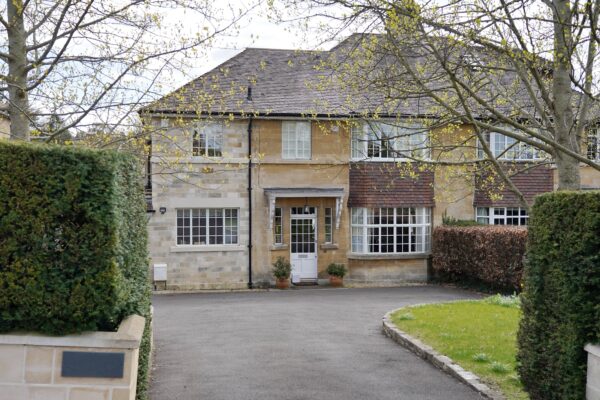
A driveway sits right at the front of a property, so it has more influence on kerb appeal than almost anything else you could change. That’s worth keeping in mind when choosing patterns and colours, rather than treating it purely as a functional surface.
Herringbone laying patterns are popular for driveways specifically because the interlocking design copes well with the turning and braking forces from vehicles. Stack bond patterns look cleaner and more linear, though they’re generally better suited to lighter use areas within the driveway rather than the main wheel tracking path.
Borders in a contrasting colour are a simple way to define the edges of a driveway and make it look more finished, particularly where it meets a lawn or flower bed. Colour choice should generally take cues from the property itself, brickwork, window frames, or roof tiles, rather than being picked in isolation.
Layout matters too. A driveway that flows naturally from the road to the front door, without awkward angles or wasted space, tends to look considered rather than just functional.
Planning Your New Driveway Project
Good planning upfront avoids most of the issues that come up during driveway projects. Access for machinery and delivery vehicles needs to be considered early, especially on properties with narrow side entrances or shared driveways.
Drainage is a legal consideration as well as a practical one in many parts of the UK, since new impermeable surfaces over a certain size may need permeable paving or a soakaway to manage rainwater properly. This is worth raising early rather than discovering partway through a project.
Materials and ground conditions go hand in hand, as mentioned earlier, and a proper site survey before work begins is the best way to understand exactly what a specific property needs. It also means quotes are based on the actual site rather than a rough guess, which tends to prevent unexpected costs partway through the job.
If a wider garden project is also being considered, incorporating something like Artificial Grass Installation services alongside the driveway can help keep drainage and levels consistent across the whole property, rather than treating each area as a separate, disconnected job.
Choosing a Driveway Contractor in Greater Manchester
The contractor doing the work matters just as much as the material or design chosen beforehand. A good design badly installed still ends up as a disappointing driveway within a few years.
Insurance is worth checking first, since driveway work involves machinery, deliveries, and often disruption to a property’s access, and a contractor without proper cover leaves the homeowner exposed if something goes wrong.
Workmanship should be judged on previous projects where possible, not just promises. Ask about groundwork specifically, since that’s the part of the job that’s invisible once finished but decides how the driveway performs over the following decade.
Materials should be explained clearly, including why a particular option suits your specific property rather than being offered as a one size fits all solution.
Clear, written quotations help avoid confusion later, and a contractor willing to walk through pricing honestly is generally a good sign of how the rest of the project will go.
Flaherty Drives Ltd provides driveway construction and installation across Greater Manchester and Cheshire, handling everything from initial site assessment through to the final finish. If you’re planning a new driveway or want advice on the right surface for your property, you can connect with us for a free quote and a straightforward conversation about what your driveway actually needs.
