
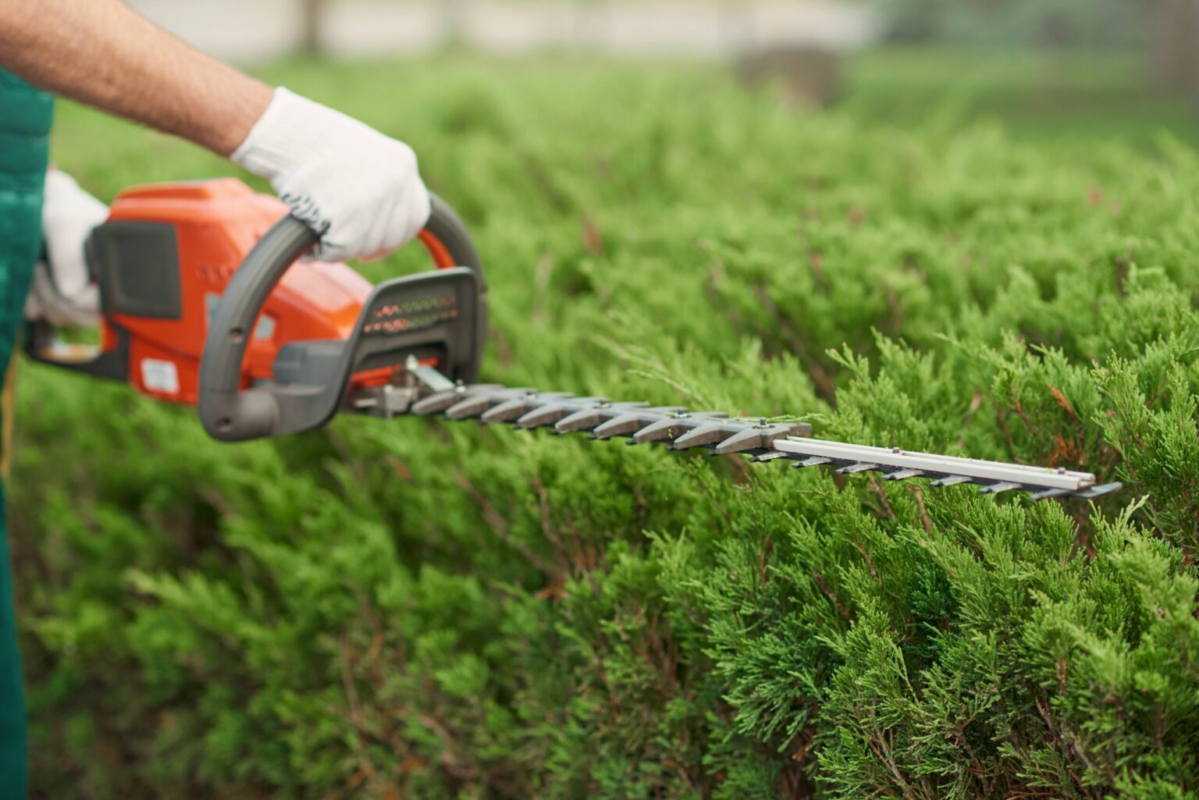
Understanding Garden Orientation can help you choose the right plants and make better use of your outdoor space. The direction your garden faces affects how much sunlight it gets, when it gets that sunlight, and how warm or cool the space may feel.
An east facing garden gets most of its direct sun in the morning, while a garden facing west gets more sun in the afternoon and evening. A north facing garden often gets less direct sunlight, while a south facing garden usually gets the most sun during the day.
Knowing your garden’s direction can make garden planning much easier. It helps you pick plants that are suited to the light and plan areas for sitting, growing food, or relaxing.
What Does Garden Orientation Mean?
Garden Orientation means the direction your garden faces. The four main directions are north, south, east, and west. Each direction changes the way sunlight reaches your garden.
The sun rises in the east and sets in the west. Because of this, an east facing garden gets more morning light. A garden facing west gets more afternoon and evening light. A north facing garden often has more shade, while a south facing garden tends to receive more direct sun.
Garden direction is only one part of garden planning. Trees, walls, fences, nearby homes, and tall buildings can also block sunlight. The amount of light can also change with the seasons.
Before choosing plants, it is useful to watch your garden at different times of the day. This gives you a better idea of which areas get full sun, partial shade, or very little direct light.
North Facing Garden
A north facing garden usually gets less direct sunlight than gardens facing other directions. In many homes, the house can block a large amount of direct sun from reaching the garden.
These gardens often have more shade, especially close to the house. The far end of the garden may still get some sun, depending on its size and nearby buildings.
How Much Sun Does a North Facing Garden Get?
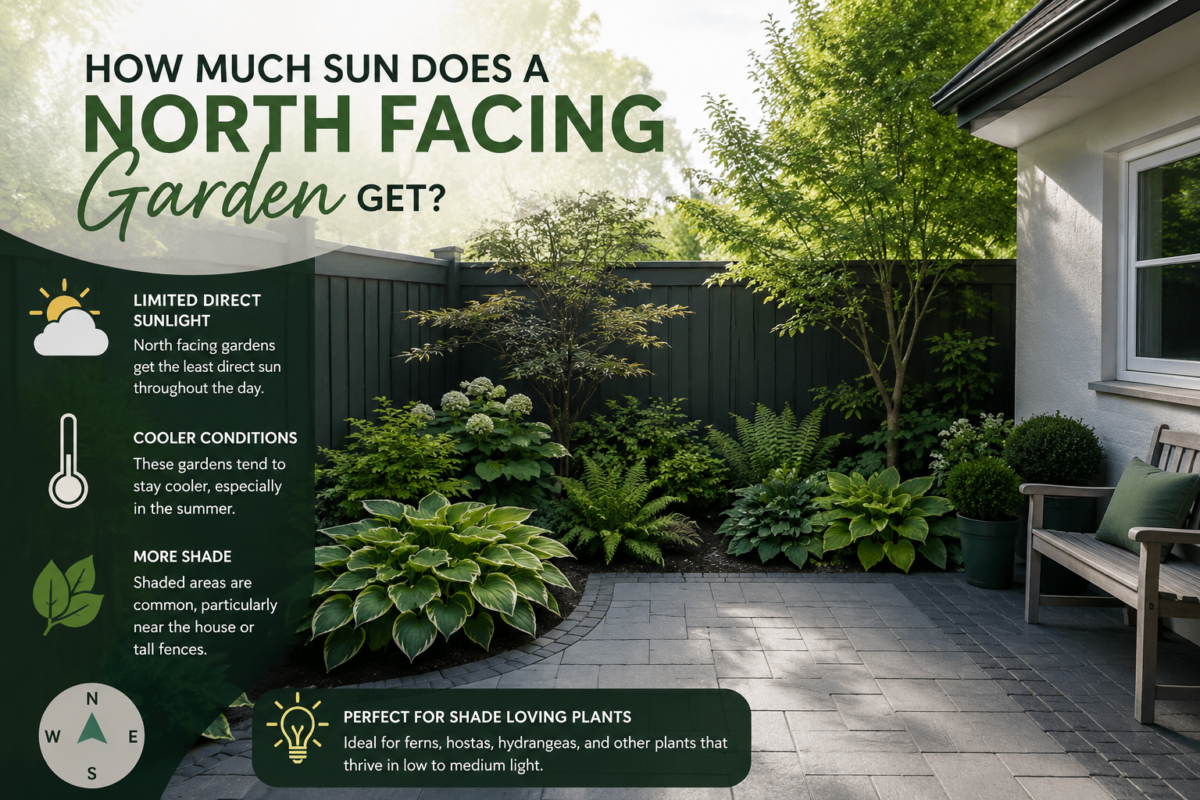
A north facing garden may have limited direct sunlight. Some areas can stay shaded for much of the day. However, this does not mean that the garden cannot be used well.
Plants that prefer shade or partial shade can grow well in these spaces. The garden may also stay cooler, which can be helpful during warmer months.
Best Plants for a North Facing Garden
Shade-loving plants can be a good choice for a north facing garden. Ferns, hostas, ivy, foxgloves, and hydrangeas can work well in areas with less direct sun.
Always check the light needs of a plant before planting it. Some plants can handle light shade, while others need more direct sun.
Benefits and Things to Watch
A north facing garden can be a good place for plants that do not like strong sunlight. It can also provide a cooler outdoor space.
However, soil may stay damp for longer in shaded areas. Moss may also grow more easily. Good soil care and the right plants can help keep the space healthy.
South Facing Garden
A south facing garden usually receives the most direct sunlight. This makes it a popular choice for people who want a bright garden or want to grow plants that need lots of sun.
These gardens can become warm, especially during the summer. They may also need more water because the soil can dry out faster.
How Much Sun Does a South Facing Garden Get?
A south facing garden can receive direct sun for much of the day. This makes it suitable for many sun-loving plants.
It can also be a good space for growing vegetables, herbs, fruit plants, and flowers that need plenty of light.
Best Plants for a South Facing Garden
Lavender, roses, sunflowers, tomatoes, and many herbs can do well in sunny conditions. Other plants that need full sun can also be suitable.
Even in a sunny garden, plant choice matters. Some plants may not cope well with very high heat, so it is important to check their needs.
Benefits and Things to Watch
A south facing garden is useful for growing plants that need strong light. It can also be a bright and warm place for outdoor seating.
The main issue is that the soil may dry out quickly. Plants may need regular watering, especially during hot weather. Adding shade for plants that need protection can also help.
East Facing Garden
An east facing garden receives most of its direct sunlight in the morning. The sun is usually softer during this part of the day, while the garden may become more shaded as the afternoon goes on.
This can make an east facing garden a good choice for plants that enjoy morning sun but do not need strong afternoon heat.
How Much Sun Does an East Facing Garden Get?
An east facing garden usually gets morning light and less direct sun later in the day. The amount of sunlight will depend on nearby trees, buildings, walls, and the size of the garden.
Plants that prefer morning sun and some shade later can work well in this type of garden.
Best Plants for an East Facing Garden
Many plants can grow well in an east facing garden. Hydrangeas, camellias, herbs, and some vegetables may suit these conditions.
The best choice depends on the exact amount of sunlight your garden receives. Areas closer to walls or fences may get less light than open areas.
Benefits and Things to Watch
An east facing garden can be pleasant in the morning and cooler later in the day. It may also be useful for a breakfast or morning sitting area.
One thing to watch is the lower light level in the afternoon. Plants that need full-day sun may not perform as well in some parts of the garden.
Garden Facing West
A garden facing west gets more direct sunlight in the afternoon and evening. This can make it bright and warm later in the day.
West facing gardens can be useful for people who enjoy using their outdoor space after work or in the evening.
How Much Sun Does a West Facing Garden Get?
A garden facing west often receives strong afternoon sun. This can provide good light for plants that need plenty of sun.
However, the afternoon sun can be hot, especially in summer. Plants may need extra water and care during periods of high heat.
Best Plants for a Garden Facing West
Roses, lavender, sunflowers, herbs, and many fruit plants can work well in a sunny west facing garden.
Choose plants based on the light and heat in each part of the garden. A plant that enjoys full sun may do well in an open area, while a plant that prefers shade may need protection.
Benefits and Things to Watch
One major benefit of a west facing garden is the afternoon and evening light. It can be a great place for outdoor meals, relaxing, or spending time with family later in the day.
The main concern is strong afternoon heat. Soil can dry out quickly, so regular watering may be needed.
South West Facing Garden
A south west facing garden can offer a mix of the benefits found in south and west facing gardens. It can receive a good amount of direct sunlight, especially during the afternoon and evening.
This type of garden can be useful for sun-loving plants. It can also be a warm space for outdoor seating.
Because it can receive strong sunlight, watering and shade may need more attention during hot weather. Plants should be chosen based on their ability to handle both sunlight and heat.
North vs South vs East vs West Facing Gardens
Each garden direction offers different light conditions. A north facing garden usually has more shade. A south facing garden often gets the most sunlight. An east facing garden receives more morning sun, while a garden facing west gets more afternoon and evening sun.
There is no single best garden direction for everyone. The right choice depends on how you want to use the space and which plants you want to grow.
It is also important to remember that garden direction does not tell the whole story. A large tree, tall wall, or nearby building can change the amount of sunlight your garden receives.
How to Choose Plants Based on Garden Direction
Start by watching where sunlight falls in your garden. Check the space in the morning, afternoon, and evening. This can help you see which areas are sunny and which are shaded.
Next, check the light needs of each plant. Plants that need full sun should be placed in bright areas. Shade-loving plants should be placed where they are protected from strong direct sun.
It is also helpful to group plants with similar needs together. This makes watering and care easier.
How Buildings, Walls, and Trees Affect Garden Light
Your garden’s direction is important, but nearby objects can also affect sunlight. A tall building can block the sun for part of the day. A wall or fence can create shade in certain areas. Trees can also block sunlight, especially when they have thick leaves.
These changes can vary through the year. A tree may allow more light through in winter when it has fewer leaves. For this reason, it is useful to watch your garden across different seasons.
Tips for Making the Most of Any Garden Direction
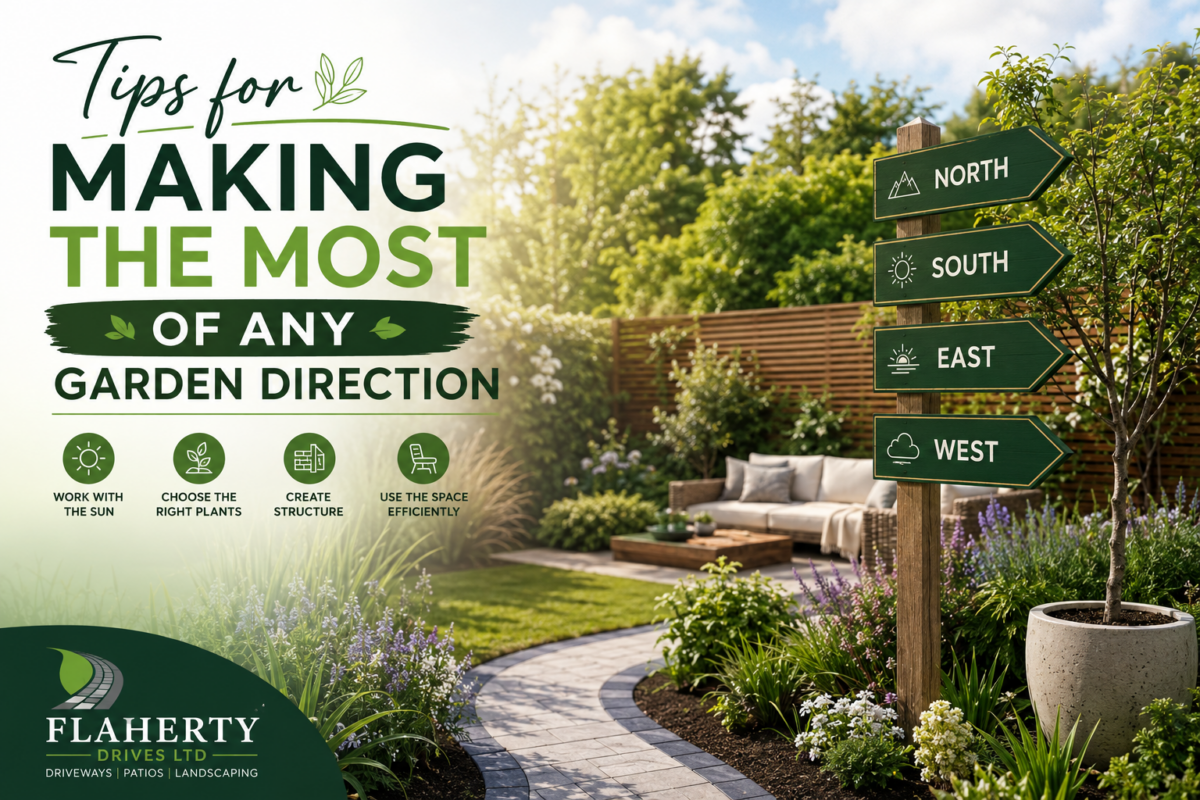
Every garden can be made useful with the right planning. Choose plants based on the light available rather than choosing them only for their looks.
Use pots if you want to move plants between sunny and shaded areas. Add shade where plants need protection from strong heat. Keep an eye on soil moisture and water plants when needed.
You can also divide the garden into areas based on sunlight. Sunny spaces can be used for plants that need more light, while shaded areas can be used for plants that prefer cooler conditions.
How to Find the Direction Your Garden Faces
Finding your garden direction is simple. Stand at the back of your home and face the garden. Use a compass on your phone to check which direction you are facing.
You can also watch where the sun rises and sets. Morning light usually comes from the east, while evening light comes from the west.
Once you know your garden direction, watch how the sunlight moves across the space. This will give you a better idea of where to place plants and outdoor furniture.
Final Thoughts
Understanding Garden Orientation can help you plan your garden better. A north facing garden is good for plants that like shade. A south facing garden is better for plants that need more sunlight.
An east facing garden gets more sun in the morning. A garden facing west gets more sun in the afternoon and evening. A south west facing garden can get plenty of sun and stay warm for most of the day.
The best way to plan your garden is to check how much sun each area gets. Then, choose plants that grow well in those conditions. With simple planning, any garden can become a nice place to enjoy.
If you need help planning your garden, contact us today for more guidance.
FAQs About Garden Orientation
Garden Orientation means the direction your garden faces. It affects how much sunlight the garden gets and when it gets that light.
A south facing garden usually gets the most direct sunlight during the day. It is a good choice for plants that need plenty of sun.
An east facing garden gets more morning sun and less strong afternoon heat. It can suit plants that prefer softer light.
Yes. A north facing garden can be good for plants that grow well in shade or partial shade, such as ferns and hostas.
A garden facing west usually gets more afternoon and evening sun. It can be warm and bright, making it suitable for many sun-loving plants.
